… the musings of an overly organized thirty-something, married, southern librarian turned stay-at-home-mom with too many opinions, too much ambition, just enough kids, and a stubborn, mouthy, redheaded country boy to accompany her through life.
It’s that time of year, y’all: The Holidays. I love the last quarter of the year… exhaustively. I don’t even know that it’s accurate to limit my affection to the holidays. I just love fall and winter, as a whole. When everyone else is overwhelmed or depressed because Christmas is over, I’ve still got neutral winter decorations up and a list of non-Christmas seasonal movies from Frozen to The Thing to The Shining to Little Women. When an ice storm inevitably blows through, I’ll sit cozily inside drinking hot chocolate, secure in the knowledge that the generator will keep me that way. Now that life is returning to normal after the utter trauma that was 2020 and I don’t have to spend this time of year isolated and wondering if I’ll ever be a mom, I am even more enthusiastic. In fact, I scheduled our Christmas card photoshoot in September and am thrilled to send out the most basic middle class white people card ever! Oh, the things that excite infertility survivors. Now, to dress my family…
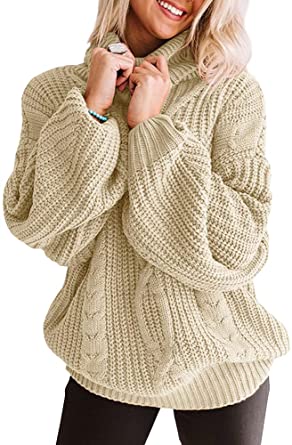
Still donning my postpartum twin mama body, I’m not thrilled with the way I look in any of my old dresses. I’ve been searching for something in my style that’s a bit more forgiving in the mid-section, while simultaneously trying to find clothes for Jake and the girls that coordinate. While my girls look cute in literally everything, I can’t seem to feel that way about my own body, so I’ve purchased a good half dozen items from Amazon in the hopes that at least one of them won’t make me cry.
Oh, to see myself through the same lens as my precious Violet, who literally looks exactly like me. Ideally, I could go to one of my favorite mid-range/budget stores and try things on in person, but I’ve tried, y’all, and I’ve come to a simple conclusion: all clothes are jammies now!
I’ve never been one to require sharp lines and stiff collars to look put together. I barely style my hair. My iron is strictly used for crafting. In the full year I spent trying to wear heels, I looked like a newborn giraffe learning to walk every single time. I’m also aware that our standards for dress changed during the height of the pandemic. I’ve mentioned how I, myself, forgot how to apply makeup after spending the year 2020 in athletic shorts, tank tops, and a founding father’s ponytail. As we approach our “new normal,” though…
– raise your hand if you’re weary of that phrase –
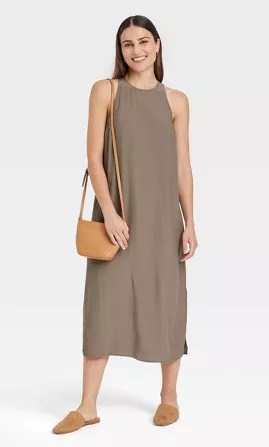
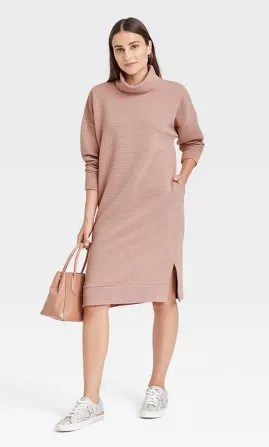
… it would be nice if we could bridge the gap between Life As We Knew It and The End Times. Covid-19 is here to stay and even if I’m alone in my line of thinking, I’m ready to resume dressing like a member of civilized society, instead of an Olsen Twin pajama party guest. I don’t feel like I’m setting the bar too incredibly high in my flats and simple dresses, either. I wear a lot of comfy cardigans, y’all. However, literally every store I’ve visited, from Target and Ross to Old Navy and Kohl’s has exclusively dealt in jammy-jams.
Throughout my adulthood, there has consistently been one or two trends targeting comfort over style, like maxi dresses and jeggings. I concede that these have their place, but it’s not just comfy pants and oversized crop tops anymore. Even the dresses are made of sweatpants material and old nightgowns.
Target
Old Navy
Kohl’s
It’s not just the baggy cuts, either. It’s the fabrics and the prints. I recognize a matronly nightgown when I see it, folks. I wore a lot of them to sleepovers in high school… because I was cool. Call it a maxi dress all you want, but whereas the same print might look feminine and cheery on a sundress, when you use classic florals without clean lines, it’s a nightgown.
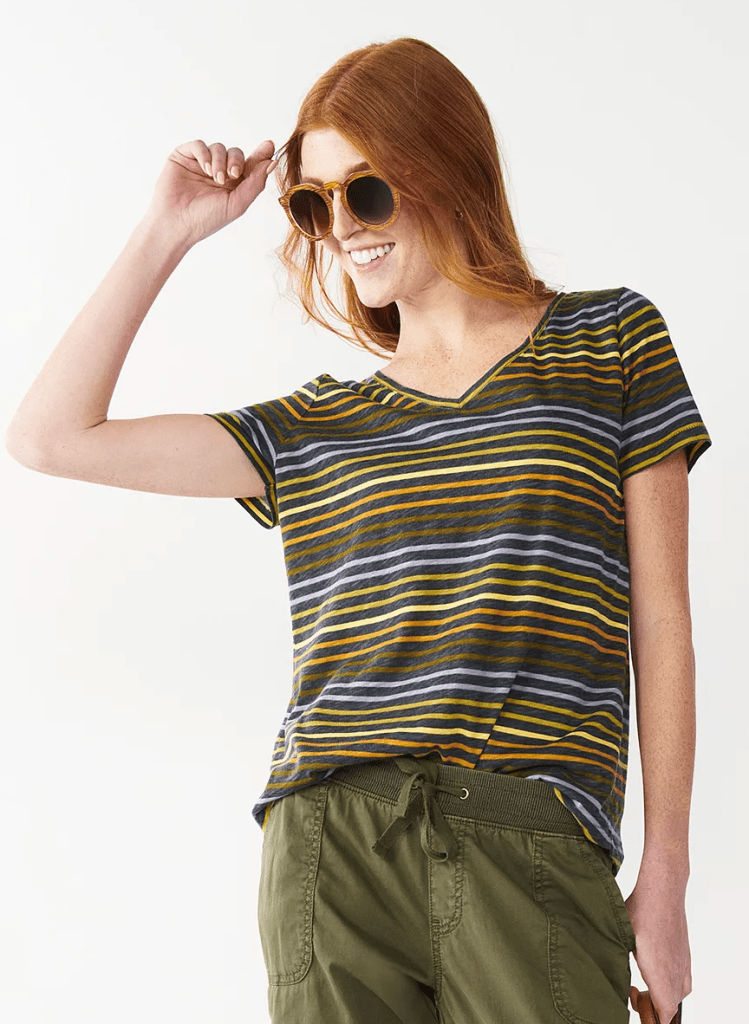
It seems that pandemic trends have bled into the worst of 90s fashion, too. Instead of bringing back the tailored styles of blazers and pleated skirts, à la Cher Horowitz and Ashley Banks, or the bright youthful colors of Romy and Michelle, we’ve brought back the grunge of the cast of Clerks. Is there a way to wear earth-toned stripes and not look like you just rolled out of bed and smoked a bowl? Sure! It’s not with baggy drawstring-waisted cargo pants, though. Can lots of denim work? I frequently visit cowboy country, so I’m gonna say yes. Is there a time and a place for camouflage? Of course! It’s in a deer stand. Is there a way to wear tie-dye without looking like a 90’s mom at a theme park? I just Googled it and I’m going to have to say no. If that’s your thing, though, go for it, but perhaps choose a tie-dyed shirt, some fitted jeans, and brightly colored Converse, instead of a dress made of old sweats.
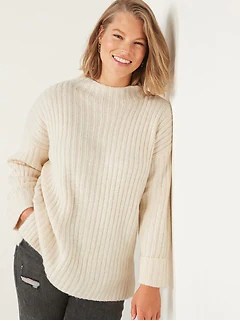
There’s a reason the models above are all hot, y’all. It’s because when normal people dress like the mannequins at Target and Old Navy and Kohl’s in 2021, they look like they’re about to take a nap, go work in the yard, or sell you a dime bag. The exact same prints and fabricslook just fine when they’re not so shapeless or paired with something equally baggy and ratty.
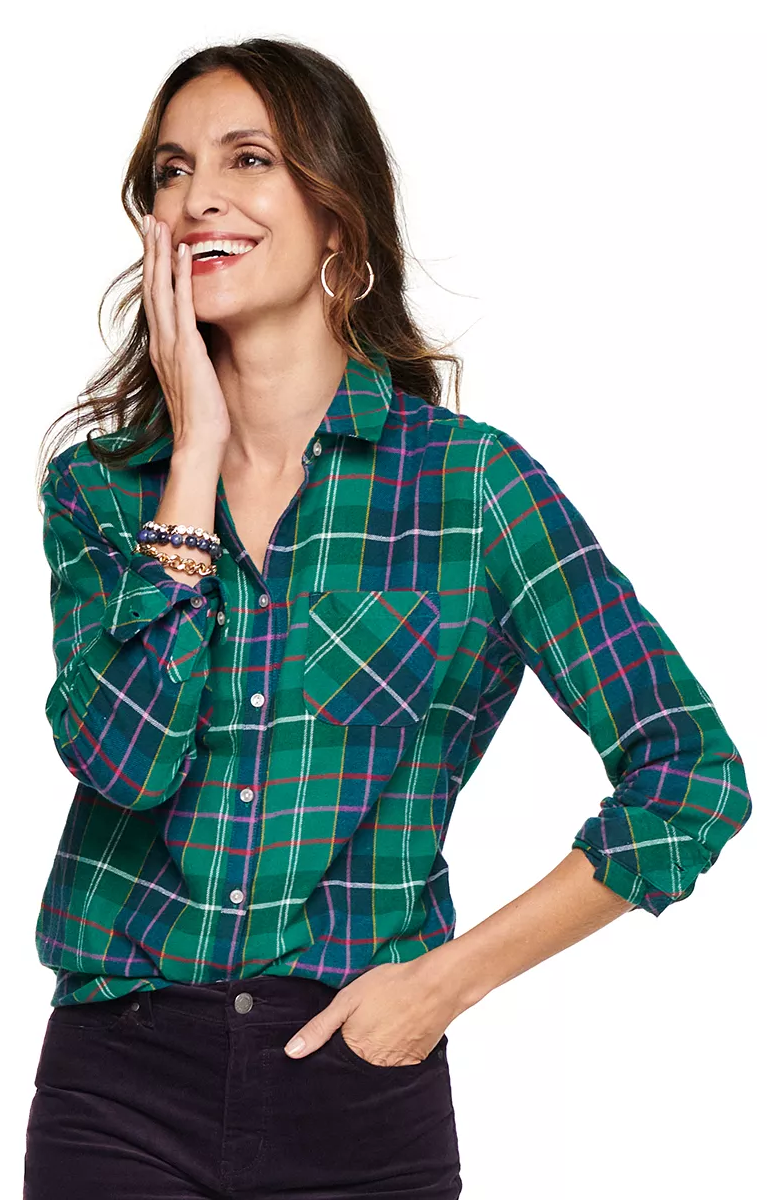
Look! I even found something flattering in tie-dye and there is a way to wear plaid without looking like Jay and Silent Bob. I’m afraid you’re on your own for camouflage.
I have never been one for fashion. Keeping up with trends is not only expensive, but as you can tell, I rarely find them to my taste. My wardrobe could be called a “capsule wardrobe,” not because of the modern minimalist movement, but because I’m cheap and grew up in a hoarder’s household, so I like to throw things away. I buy basic styles that I appreciate and find flattering, regardless of what’s in style, and anyone who doesn’t like it can go kick rocks. If I follow only one rule of fashion, it’s that loose on top requires fitted on bottom and vice versa. Modern trends, however, seem to have thrown this classic concept out the window to the point that we may as well all be wearing Snuggies on our nights out. I can’t find simple, flattering pieces anymore. You’d think that, even during this time of athleisure and 90s grunge, I’d be able to find some soft A-line t-shirt dresses or cute cotton fit-and-flares, but no! My only options are the costumes from She’s All That, before she gets hot.
I suppose, if I don’t want to look like an extra from Mall Rats, I have no choice but to buy the same three dresses in every color on Amazon until I like my body enough to wear all of the cute clothes I bought before we all collectively decided to let ourselves go. With as low as I rank fashion in my priorities, of all the reasons I am so ready for this pandemic to end, I never thought it would be one of them or that I’d scorn pajamas to this extent.
When I was little, the 1986 film The Worst Witch was one of my favorite Halloween movies. I could never catch it when it was on TV, though, and eventually forgot all about it, replacing it with cinematic classics such as Halloweentown and Twitches, both of which could probably win Oscars when compared with the former. Several years ago, I remembered this old favorite of mine, bought it on DVD, and now watch it a weird number of times throughout the month of October… and sometimes, like… March. My husband must occasionally wonder if he did, in fact, marry an awkward, chubby, 12-year-old, as he comes in the living room to see me singing along to this terrible children’s movie, eating “candy salad” from a ramakin.
While Netflix has recently produced a much more polished version of The Worst Witch, based on the 1970’s book series, in a multi-season TV show, there’s something about Tim Curry passionately singing “Has anyone seen my tambourine?” that can’t be beat. Don’t you worry, though! You don’t have to buy this gem on Amazon. It’s free on YouTube, in its entirety, and it is worth every penny. Here are my thoughts, 25 years after my first magical viewing.
Why does Mildred get all of the blame when she and Maud make the wrong potion? Maud was the one caught trying to sneak her spell book in, so she could cheat. Both girls were equally cavalier about the amount of each ingredient used. Why was Mildred the only one sent to Miss Cackle’s office?
As a kid, I really empathized with Mildred, but as an adult, I realize she’s kind of a mess. She insists that she tries and can’t help the fact that things always go wrong, but she also admits to blatantly ignoring simple instructions, like gathering pondweed at midnight. How hard is it to read a clock, Mildred? These problems are of your own making…
… and yet, nothing excuses an educator speaking to a student like this: “Oh dear, Mildred. Oh Mildred, oh dear. You must be the worst witch in the entire school.”
Seriously?!?! She’s twelve. The conversation even ends with a playful “Was I nasty enough for you?” You mean when you told her that she ranked last in thewhole school, because she made a potion incorrectly? How much room for error is allowed? Is not the punishment for failing a test a bad grade? This wasn’t even supposed to be the cruel teacher! Speaking of which…
… when Mildred and Maud are gossiping about Miss Hardbroom and she appears in their room to yell at only Mildred, did she curse her name like Lord Voldemort or is she always watching this child? That’s disturbing and I don’t think she should be allowed within 300 yards of a school.
I understand that the girls are awarded their cats in order of excellence, meaning the lowest performers get their cats last, but they still get cats. I don’t actually think this is a bad system. We coddle weakness too much, today. There’s nothing wrong with rewarding high performers. That being said, who was in charge of procuring the cats and why couldn’t they find enough black ones? Black kittens are literally some of the easiest to find, because they’re the least popular. Even if they couldn’t find a black cat for the lowest performer, why couldn’t they change the color in a world where humans can be turned into animals?
Ethel Hallow is one of the villains of this story. She’s a bully and deserves the criticism she gets for it. That being said, much of Mildred’s distaste for her is voiced in regards to her successes, getting upset at how often she does well in class or is chosen first for games. “Just like her to be the first one to get her kitten to ride.” Well, Mildred, if you actually made the effort you keep claiming you’re making in a high-pitched whine, perhaps you’d be more successful in school, too.
These villains are fabulous. I love that they plot their evil moves in song and dance, while wearing multi-colored robes, that match their hair. Once again, I am Team Villain.
Miss Hardbroom is clearly the Severus Snape of this tale and just like Snape, she never redeems herself. “Ethel Hallow shows promise, Mildred Hubble, anything but. Mark my words, Mildred Hubble will never graduate as a witch from this academy!” “That’s very good. Who’s that? Oh. Mildred Hubble. Four.” What are the professional standards for educators in the wizarding world?!?! What does the interview process look like? Do they require teachers to hold vendettas against their least favorite students? Just as the Dursley’s made me cautious of British CPS, this school needs some serious oversight. Why doesn’t Miss Cackle take this awful woman down a peg and remind her that her role is to support Mildred and build her up? Then again, why didn’t Dumbledore intervene in Snape’s abuse?
How did Mildred think ketchup was blood? She might not be the worst witch, but she also might be the dumbest.
Mildred didn’t just scream in terror at the sight of ketchup, she screamed literally 21 times when Ethel came out of the bathroom wearing a mask. Why do these witches scare more easily than humans?
Why wasn’t Mildred suspicious of Ethel for being so generous as to loan her a broom? I kind of want to put another check in the dumbest witch column, especially with the pointed and sinister comment “It’ll take very good care of you”. It wasn’t just Mildred, though. No one raised a brow to the school bully loaning a costly piece of equipment to the spaz who bested her in front of the whole school. Now that I mention it, are there not school brooms? My schools always had optional communal equipment, even if it wasn’t as high of quality as something you might buy personally. Hogwarts had school brooms and I have a hard time believing that an almost 400 years old international academy for witches wouldn’t. Is there a school-wide conspiracy to humiliate Mildred?
Why do these girls want huge, sexy noses if no one else in their world has them? This seems like an offensive stereotype of witches, when even the young and attractive ones, like Miss Spellbinder and Miss Cackle’s niece, Donna, don’t have them.
What fucking crossroads demon did Tim Curry make a bargain with and how many years are left in his deal? This man is a household name and has starred, almost exclusively, in movies that can only be described as fabulously terrible. You have not lived until you see Tim Curry’s disturbingly sensual music video cutaway from The Worst Witch, as he flies around in a cape singing about how gremlins are going to mess up every cassette from London to Idaho.
“Oh Miss Hardbroom, your girls? … I love it, Miss Hardroom. Let’s get this show on the road.” Iwant to give the writers the benefit of the doubt, here, and assume they were going for flirty towards Miss Hardbroom, a consenting adult, but the Grand Wizard might be a sex trafficker.
“I was a fool to trust you! You abominable child, Mildred! Get out of my sight!” “Go to bed without supper and I’ll see you in my office, tomorrow at noon.” “If these are the witches of the future, I hate to think what the future will bring. What is this generation coming to? I’ve got to split. I’ve got another gig.”
It was a performance put on by children. It’s like a flashback to my years of softball… and basketball… and volleyball… and just gym class.
Why does “turn these witches into snails” turn witches in to snails, but “Ethel Hallow is now a frog” turns Ethel Hallow into a pig? Why does no one believe the former, when they saw the latter? I don’t understand the rules of magic in this world.
Why would Ethel confess to Maud, Mildred’s best friend, that she bewitched her broom, humiliating not just Mildred, but the entire school, in front of their Celebrity Rockstar King? Furthermore, why wasn’t she expelled for this, when Mildred is repeatedly threatened with expulsion for innocuous mistakes? Are there actual guidelines for expulsion or is this just the 80s?
“Once in a purple moon, there is a special young witch, who shines above the rest. Often, she goes unnoticed, because she’s out of step. I have seen this girl trying to fly. Oh, yes, I have. I’ve watched her at play and seen how her friends treated her. The best witch isn’t always the girl who comes out on top of tests. A true witch has witchcraft in her at all times… and this is what you have, Mildred Hubble.”
I… I don’t even know where to begin, folks. First of all, these are bold words from a man who cut his visit short, blowing off a feast that was prepared for him and dismissing an entire generation, because a child made a mistake in what amounted to a school play. Second, on what is he basing his praise of Mildred? He’s never even met her, which brings me to my third point. When was he watching her?!?! The Grand Wizard visits for the first time on Halloween night, but he’s “watched her at play and seen how her friends treat her”? I once had a man show up on my doorstep in a hoodie at 9:00 at night and tell me that he was a Mormon and wanted to come inside and speak to me about Jesus Christ… and I didn’t piece together the fact that that probably wasn’t entirely on the up-and-up for years. Y’all, even I could tell that the Grand Wizard is 100% buying children.
“Now, Mildred, have you made any plans for this unexpected holiday?” “No, Grand Wizard. I suppose I’d better practice my flying.” “Would you like to practice with me?” “With you?!?” “Oh, absolutely.” ::he said seductively::
When I was little, long before my parents’ marriage imploded, I was a daycare kid… always. I started in a home daycare and entered Kindercare, a chain, when I was three or four. My memory has always extended far further than most people’s, so I actually do recall both. I remember Kindercare best and those memories are reasonably happy and healthy ones. On an average day, I would get up at six o’clock and my mother would drive me to daycare, where she would hand me off to my teacher before heading to her nursing job. Sometimes I screamed and cried for her, but most of the time I didn’t. I spent my days playing with toys I didn’t have at home and socializing with other children my age. I felt cared for by my teachers, even when I was in trouble and had very few negative experiences. The ones I did have were normal, like the time I was punished for saying the F word, because another student had misunderstood me when I mentioned my dog Buck; or when I yelled at another girl for breathing too loudly, because I have always been me. What I don’t remember is abuse or feeling abandoned. I was close to my parents at the time, excited to see them when they’d pick me up. When our relationships eventually deteriorated, I hadn’t been in daycare for years, so it bears zero blame, as far as I’m concerned.
Both of my parents always worked and I thought little of it. I envied my friends whose mothers stayed home, who could go on random zoo trips or visits to the pool, but I wasn’t unhappy. I didn’t cry on my first day of kindergarten, long since used to being separated from my mom and I never begged to be picked up from sleepovers. As a child, I adored my mother. My dad could be fun, in the right mood, but my mother was almost always loving. She found a way to do special things for us, despite the time we spent under someone else’s care. She’d make us pancakes with candles on our birthday and bring us cupcakes at school. She took off work to chaperone field trips and taught Sunday school. She always stayed home with us if we were sick. I have always maintained that my mother loved my brother and I very much and just grew increasingly worse at it, but back then, she was good at it and daycare didn’t change that perception.
Growing up, my mom did as most 90s parents and told me that I could be anything I wanted to be, without exception. My dad, however, added the caveat that I could be anything I wanted to be, if I worked hard enough… and that’s what I did. Despite the fact that neither of my parents were involved in my academics after middle school, I graduated high school with a 4.0 GPA and immediately entered college. Regardless of my wretched mistake of a teenage marriage, I never gave up on my education. Through evictions and housefires and miscarriage and abuse, I persisted and graduated with my bachelor’s degree in four years. I finalized my divorce my first year of grad school and worked twenty hours a week as a circulation clerk in my system while substitute teaching for another thirty to forty, throughout. I graduated with my MLIS at 25 and was almost immediately promoted to half-time librarian. I continued to sub, saving my money to survive each summer and relying on Our Lord and Savior for health insurance. It was tough, but it wasn’t as tough as many other times in my life and it paid off. At 28, I was promoted to a management position and eventually stepped down to full time librarian, where I was mapped into a teen librarian position on the outskirts of the county. I’d accomplished my dream and had even managed to meet the love of my life along the way, marrying and buying a house. Life was perfect.
When Jake and I decided to start a family, we never even discussed an alternative plan to maintaining our status as a two-income household and that wasn’t just because Jake had left oil and started from the bottom with the City of Cherokee. I had been adamant, from the beginning, that I was not leaving my library system. I had no interest in staying home, for any period of time, for any reason. When we learned we’d have to pay tens of thousands of dollars to have children in the first place, it was just understood that I would continue to work full time after my maternity leave, only in small part to pay for it. When Jake received a promotion placing his income just a few hundred below mine, it still never came up. I always “joked” that I couldn’t stay home with my children, that I don’t like children, that I wanted to spend my days talking to adults and enjoying my life. I wanted my own kids, but I was heavily operating on the advice that it would be different with my children. In fact, throughout my entire pregnancy, I feared that I wouldn’t love my children, that I wouldn’t like them, that I’d meet them and they’d just be some random babies, that I’d be miserable as a mom, as my friends in my twenties always reported. The last thing I said to Jake, before they wheeled me away for my emergency c-section was “I’m scared. What if I don’t love them?” Then, there were Violet and Scarlett.
By the time I was lying on that operating table, trying not to choke to death on the fluid in my pneumonia-riddled lungs, as the doctors struggled to keep me from bleeding out, I wasn’t even thinking about my babies. I was kind of just terrified. When the nurse showed me Scarlett, I remember thinking sadly “It is just a baby.” I wouldn’t see them for two more days, when they were brought down to the ICU for a short visit, because I’d woken that day, high on morphine, screaming that they’d taken my babies, that I didn’t even get to hold them, as Jake comforted me. I suppose my instincts had finally taken over. My girls were wonderful and tiny and perfectly healthy (unlike their mama), but I felt ashamed that I didn’t have that moment where the world stops turning and there were only my babies and me. They were babies. They were mine. They didn’t entirely feel like it. Maybe it was the drugs, but my love story with my girls was a slower burn than I expected, as I handed them back, too sick to hold them for long.
Expectation
Reality
I’m not sure when my love for my daughters became all-consuming, as Jake and I woke every three hours to feed them and rushed to change their clothes, before they got too cold without a onesie, pajamas, a hat, and a swaddle. Perhaps it was when we were finally able to go home and I could feed, change, and snuggle them, without a nurse interrupting to take my blood pressure or hook me up to antibiotics or give me another blood transfusion. Maybe that’s when I started to realize they were really mine, my little bear and bunny who I’d been talking to for the last several months. Regardless, the love came and it was just as fierce as I’d been promised.
Due to the complications with my girls’ birth, I had no choice but to stay home for the entirety of my allotted 90 days. The silver lining was that I was so sick that my short-term disability paid out through the whole thing and I returned to work the day my babies were 13 weeks old. Although I’d originally planned to take the girls to daycare a couple of weeks early, so we could all get used to the new routine and I could have a bit of a break, I found myself entirely unwilling to give up more time with my babies and opted, instead, for a horrible first day back. Horrible it was, as I watched my little Violet give her first smile of the day to a stranger, while my little Scarlett rocked in someone else’s rocker. In fact, when I found out that I’d have to leave work, because my doctor’s note didn’t clearly state my restrictions, I was thrilled to have another day off and promptly picked up my girls, despite the fact that I wouldn’t be paid for the day and the daycare would.
The next morning, the drop-off went a bit more smoothly… and I still hated it… as I did the day after that and the day after that. Now, we’re three weeks in and… I don’t think I can do this. When I was four, I killed my favorite doll, a Waterbaby. Quite reasonably, my mother refused to keep refilling it with warm water, to create a more realistic mothering experience for me, so I figured I’d just pop it in the microwave. The Waterbaby didn’t survive and until June 22nd, that’s been my best reference point for my maternal instincts. Every year, during Summer Reading, I declared that I was never having children. I wasn’t even sure that was hyperbole, until Jake and I received the news that we wouldn’t be able to conceive naturally. Only then did I comprehend how very much I wanted a family, as I wept and mourned the possibility of never being the mother I only briefly had, during a pandemic where every day seemed the same. Now, here I am, a mother to twin girls that cost us $30,000 and nearly my life and all I want to be is their mom. I can’t find the passion I once had for my career, the one for which I worked so hard and it’s not getting any easier.
I used to love being a librarian and had this idealistic expectation that any problems would eventually be resolved in my system and the field at large, resulting in the ultimate utopian position. In time, I’ve accepted that all careers come with their ups and downs, but the downs of librarianship were wearing on me, even before Covid-19. I used to hold a title that prided itself on neutrality and fighting a war against censorship. Now the field, as a whole, is comprised of librarians who bully publishers to retire books, because they’ve aged poorly or don’t fit their personal worldviews. Some even advocate pulling them from the shelves, only to excitedly celebrate Banned Books Week a few months later. Neutrality has been replaced with a strong push toward the perceived “correct” viewpoint, to the level that even the most professional discussion isn’t allowed, lest one be branded with some undesirable adjective. Years ago, I’d receive emails reminding staff to leave their politics and personal opinions at the door. Today, I get them from powerful higher-ups, taking sides on divisive political issues. I’m sure the echo chamber that has resulted from extended closures and the rolling back of services has not helped, as we’ve distanced ourselves from our communities, but some of the bloom has gone off the rose in recent years. To be perfectly clear, I am not saying that I’m miserable in my position… at least no more so than anyone else weathering Covid-19, just that the field has shifted to a point with which I’m no longer entirely comfortable, independently of the pandemic. My present apathy is not wholly the fault of babies.
Regardless of the state of libraries, even when discussing the things that do make me happy, like my latest outdoor teen program, I’m no longer as invested. I just want to be home with the girls it cost me so much to make. My mother died while I was pregnant, at 60, and I can only imagine how many regrets she would have had if she allowed herself to admit to them. I remember her toying with the idea of getting alternatively certified to teach, when I was 9 or 10, so she could be home with us more often, but ultimately deciding she couldn’t afford the pay cut. My father has told me himself how much he wishes he could go back and do things differently, spend more time with his kids and enjoy us while we were young. My grandmother has dreams of when my brother and I were little and calls to tell me how those were the best years of her life. My brother, only three years my senior and the same age as Jake, has been particularly remorseful of the years he’s wasted working out of state, now that his children are 9 and 13. I don’t want to feel that way about my family. I never want to look back and realize that I wasted the best years of my kids’ lives splitting my attention with a career I could have had later, spending only a couple of hours with them each night after commuting and performing the duties of daily life.
I am at a crossroads in my life, choosing to stay in my field and remain the career woman I always assumed I would be or take the path I never thought I’d even consider and leave to stay home with my children. Jake and I have planned to send our kids to Catholic school from the beginning, even going so far as to buy a home nearer to the church for that very reason. Over the years, however, I’ve met many amazing homeschool kids through my job as a teen librarian. I’ve heard the stories of why their parents choose to forgo traditional schooling, which include everything from escaping bullying to having more time with their siblings. I have always insisted that I’d love to homeschool, myself, if a) we could afford it and b) I were willing to leave my position. While we can’t afford it now, we should be able to within the next six months to a year. Regardless, it would be about the same price as Catholic school, as it stands; and the field I once adored has changed to the point that I could leave without much remorse, even if it meant I could never return. All I ever really wanted to do was teach and here’s my chance. I can teach my own children. We can all learn together and have more time to play and master life skills.
Jake, although nearly as surprised by this change of heart as I am, has been nothing but supportive. A traditionalist, he’s content with being the sole breadwinner. His primary concern is just our financial well-being, but he likes the idea of my being home with our kids, of having the freedom that comes with homeschooling. He understands my feeling of disillusionment with libraries and just wants me to be sure that leaving is what I want and not just what I feel at the moment. I’m entirely aware that I’m still coping with both my mother’s death and my beyond traumatic birthing experience, but is that so wrong? Is acknowledging my own mortality a bad reason to reconsider my decisions, my future? I can’t help thinking that, when I’m 60 or 70, I’d rather look back and have career regrets than familial ones. While my own mother worked and my grandmothers both worked, many of the other women in my family took lengthy breaks from the workforce to stay home with their families. Several of them have thriving careers, now that their children are grown. I can have a career any time in my life, utilizing either my teaching certificate or my MLIS or neither and striking out in a completely unique direction. I can never be with my babies while they’re young again, though.
I fully understand that some women don’t have it in them to stay home, or that they love their career and while the Mom Guilt hits hard, they don’t want to give it up for a handful of years, only to find they’ve been blacklisted later. In fact, I always assumed I would be in one or both of these camps. Everyone has told me that it gets better, but each day, after I hand off the babies I almost died bringing into the world, so I can plan take-home kits and argue over whether or not we should have holiday book displays, I feel worse. I spend the entire day longing to be with my girls, changing diapers and soothing tantrums. So why am I fighting this? Am I really just pushing through the ever-increasing heartache to fit the mold of an intelligent and successful woman, as created by modern American society, to fulfill my own stereotyped vison of what it is to be female? Is that any better than staying home, because that’s what a woman “should” do? It doesn’t feel right to me, leaving my daughters at daycare, even though I’ve never thought negatively about working mothers, in general. No part of me thinks that women who work are letting other people raise their children or are choosing a job over their babies or any of the other hateful things people say about them. In fact, a part of me envies their ability to push through and do so. It just feels entirely unnatural to me to not be with them and as shocked as I am, I don’t think I can do this. Joan said it best, dad: “You’re the one who said I could do anything I wanted. This is what I want.”
Joan: “It was my choice… not to go. He would have supported it.” Katherine: “But you don’t have to choose.” Joan: “No, I have to. I want a home. I want a family. That’s not something I’ll sacrifice.” Katherine: “No one’s asking you to sacrifice that, Joan. I just want you to understand that you can do both.” Joan: “Do you think I’ll wake up one morning and regret not being a lawyer?” Katherine: “Yes, I’m afraid that you will.” Joan: “Not as much as I’d regret not having a family… not being there to raise them. I know exactly what I’m doing and it doesn’t make me any less smart. This must seem terrible to you.” Katherine: “I didn’t say that, I…” Joan: “Sure you did. You always do. You stand in class and tell us to look beyond the image, but you don’t. To you, a housewife is someone who sold her soul for a center hall colonial. She has no depth, no intellect, no interests. You’re the one who said I could do anything I wanted. This is what I want.”























 Belle of the Library